





Malegaon Blast Case: All Accused Acquitted; Fadnavis Says ‘Terrorism Was Never Saffron’
Mumbai, 31stJuly 2025: In a landmark verdict, a special National Investigation Agency (NIA) court in Mumbai acquitted all seven accused in the 2008 Malegaon blast case, citing lack of credible evidence. Among those cleared of all charges were BJP MP Pragya Singh Thakur and Lt Colonel Prasad Purohit.
The explosion, which took place near a mosque in Malegaon, approximately 200 km from Mumbai, on September 29, 2008, had claimed six lives and left 101 people injured. The bomb was strapped to a motorcycle, triggering widespread outrage and a years-long legal battle.
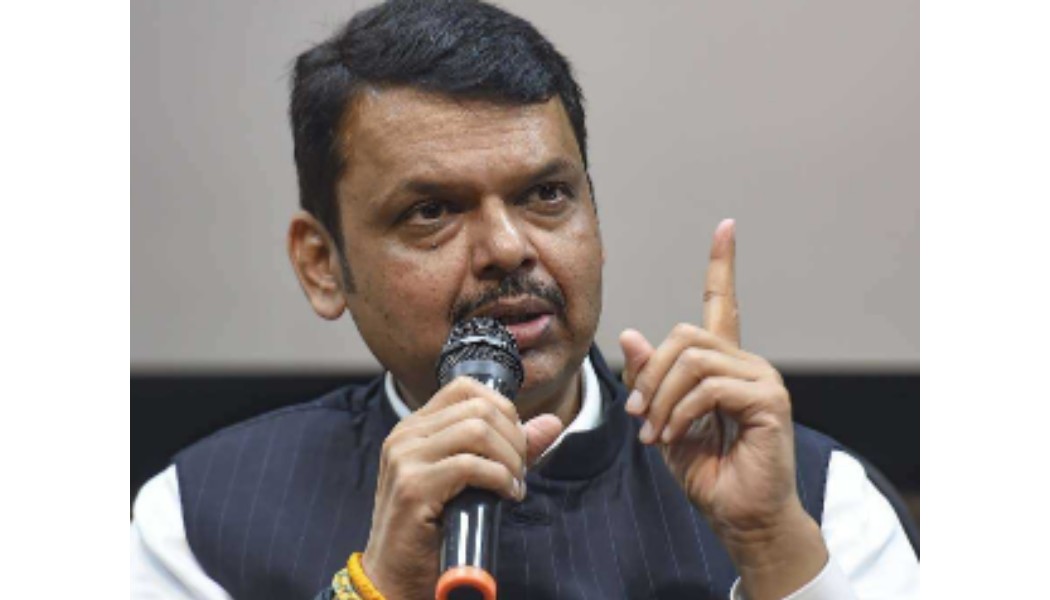
Reacting to the verdict, Maharashtra Deputy Chief Minister Devendra Fadnavis stated on social media platform X (formerly Twitter), “Terrorism was never saffron, is not, and will never be.” His statement comes in the wake of long-standing political controversy surrounding the use of the term “saffron terror” in connection with the case.
Senior Congress leader and former Union Home Minister Sushilkumar Shinde, who had once used the term “Hindu terror” in a public address, declined to comment on the court’s decision.
Welcoming the court’s ruling, Shiv Sena spokesperson Krishna Hegde alleged that the Congress party had deliberately targeted the accused to serve its political motives. “We are very happy with the order. It was the Congress’ sinister design to trap these individuals and push the term ‘Hindu terror’ into public discourse. They’ve now been exposed,” Hegde said.
He also referred to Union Home Minister Amit Shah’s earlier statement in Parliament that “no Hindu can be a terrorist,” saying that the latest judgement validated this stance.
Echoing similar sentiments, Maharashtra Water Resources Minister and BJP leader Radhakrishna Vikhe Patil called the acquittal a moment of vindication for Hindutva. He claimed the ideology had been unfairly labeled and that the case was used to target spiritual sentiments.
The verdict has reignited political debates around the case, which had become a symbol of ideological clashes between political parties over religion, security, and national identity.