







Kejriwal Flags Judge’s Family Links In Fresh Recusal Plea In Excise Case
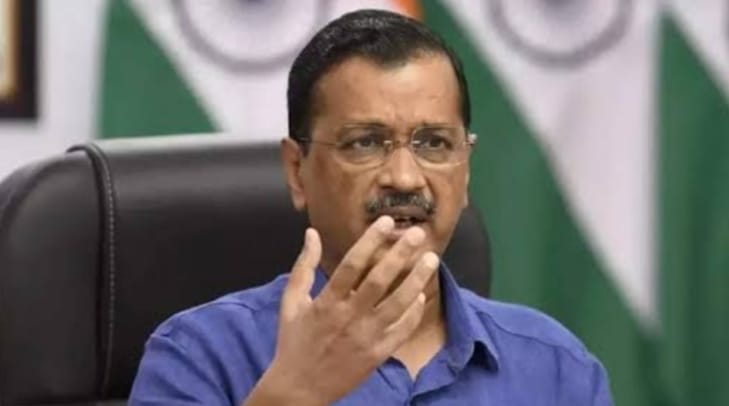
New Delhi, 15 April 2026: Former Delhi Chief Minister Arvind Kejriwal has escalated his standoff in the Delhi excise policy case, filing a fresh affidavit on April 14 seeking the recusal of Justice Swarana Kanta Sharma from hearing the matter.
The new filing introduces a more pointed argument than before, one centred on the judge’s immediate family. Kejriwal has flagged that Justice Sharma’s son and daughter are empanelled as central government counsel, with work allocations routed through Solicitor General Tushar Mehta, who is representing the Central Bureau of Investigation (CBI) in the same case.
The affidavit stops short of alleging wrongdoing but argues that the overlap creates a “reasonable apprehension of bias,” especially given the institutional link between the law officer appearing against him and the professional engagements of the judge’s children.
This marks a continuation of a tense courtroom exchange from April 13, where Kejriwal, appearing in person, laid out ten grounds for recusal. His objections ranged from judicial observations during hearings to what he described as perceived ideological proximity, including the judge’s participation in events linked to groups he associated with the RSS-BJP ecosystem.
Justice Sharma, however, pushed back during the hearing, questioning the basis of such objections and remarking that the court should not be turned into a space for “dramabazi.” She later reserved orders on the recusal plea.
The CBI, represented by Mehta, has opposed the request, maintaining that the grounds cited are speculative and legally untenable.
At the core of the dispute is the CBI’s appeal against a trial court order that had discharged Kejriwal in the alleged 2022 Delhi excise policy case. While that proceeding is still underway, the recusal plea has now taken centre stage, turning the focus from the merits of the case to the fairness of the forum itself.
The outcome of this plea could set a broader tone. Recusal arguments in Indian courts often walk a fine line between safeguarding judicial impartiality and preventing litigants from forum-shopping. Where that line is drawn in this case will likely be watched closely, well beyond the immediate parties involved.