







Vande Bharat Express Transports Live Donor Heart for Transplant; India’s First Rail Transport Mission
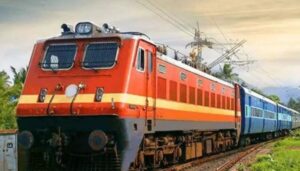
Ahmedabad, 31st July 2026: Indian Railways transported a live donor heart by train from Surat to Ahmedabad for the first time in India, carrying the organ aboard Train No. 20901 Mumbai Central–Gandhinagar Capital Vande Bharat Express for transplantation at the U.N. Mehta Institute of Cardiology & Research Centre.
The time-critical operation involved coordinated efforts by Indian Railways, the Railway Protection Force (RPF), Gujarat State Police and medical teams to ensure that the heart reached the recipient hospital within the prescribed viability window.
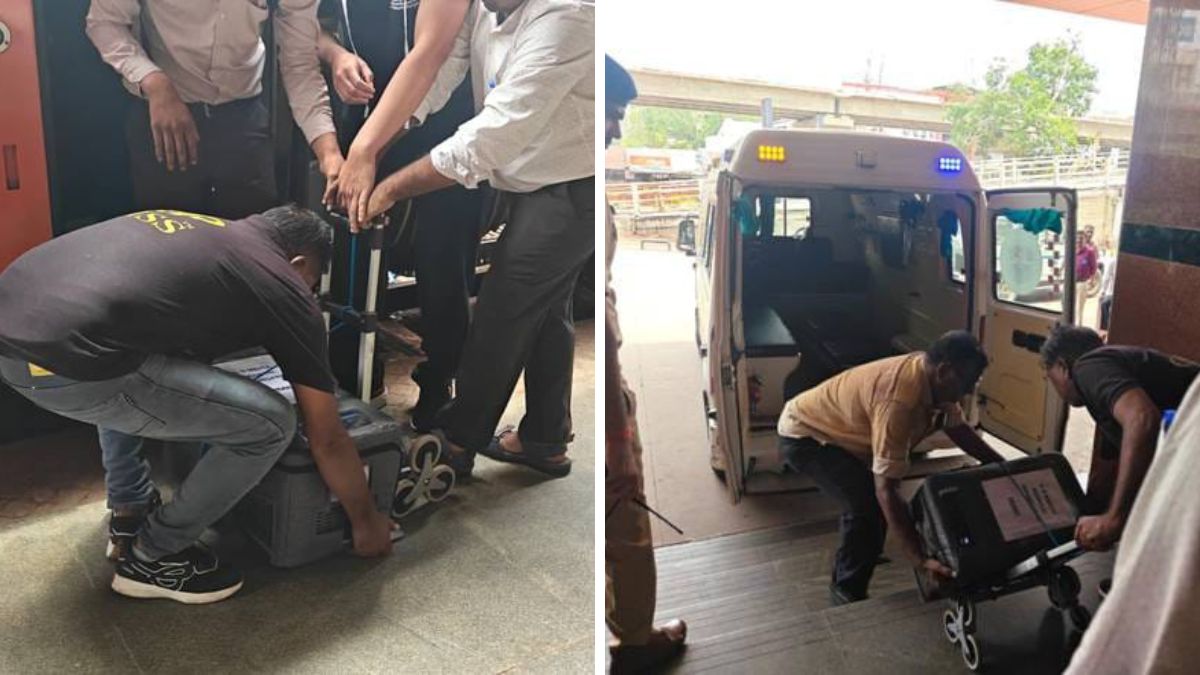
A dedicated Green Corridor was created from Platform No. 1 of Ahmedabad Railway Station to the U.N. Mehta Institute of Cardiology & Research Centre. The arrangement enabled the medical team to move the donor heart from the railway station to the hospital without interruption.
The heart was transported from Surat to Ahmedabad aboard the Vande Bharat Express as part of the emergency medical transportation operation. The mission required close coordination between railway officials, security personnel, police and medical teams at different stages of the journey.
At Ahmedabad, the RPF and Gujarat State Police facilitated the Green Corridor from the railway platform to the hospital to support the time-sensitive transfer and enable the transplant procedure to proceed within the required timeframe.
Ved Prakash, Divisional Railway Manager, Ahmedabad, said the transportation demonstrated Indian Railways’ role in supporting life-saving medical missions and credited the coordination between railway authorities, RPF, Gujarat State Police and medical teams for the successful operation.
The operation involved railway officials, security personnel, doctors and organ transplant coordinators working together to transport the donor heart from Surat to the Ahmedabad hospital.
The successful movement marks the first reported transportation of a live donor heart by train in India and highlights the use of railway connectivity for time-sensitive medical transportation.