



India Rejects UN Remarks On Delhi Protest Detentions, Labels Them “Unwarranted Interference”
New Delhi, 11th October 2026: India has rejected concerns raised by the United Nations Human Rights Office (OHCHR) over the detention of protesters, lawyers, journalists and civil society members during demonstrations in Delhi, calling the remarks “misplaced” and an “unwarranted interference” in the country’s internal affairs.
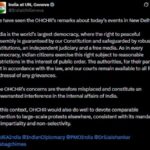
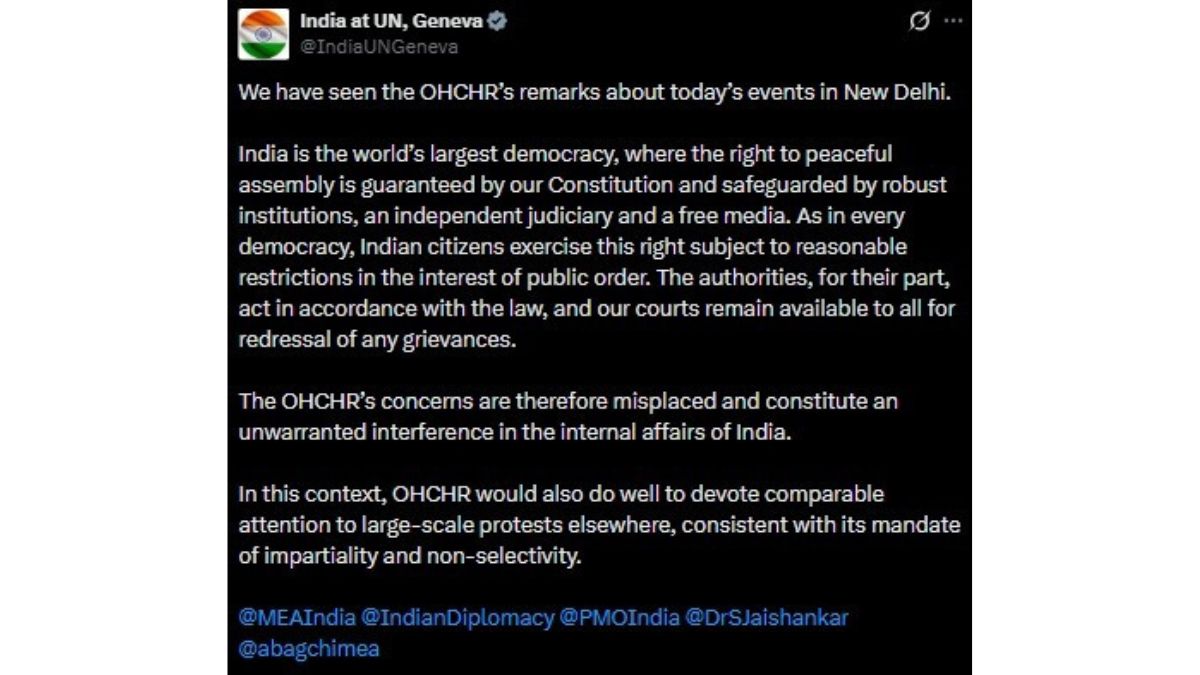
In a statement posted on X on Saturday, 10th October, the Permanent Mission of India to the UN in Geneva said the Constitution guarantees the right to peaceful assembly, which is safeguarded by the country’s institutions, an independent judiciary and a free media.
The mission said citizens exercise this right subject to reasonable restrictions in the interest of public order. It added that authorities act in accordance with the law and that courts remain accessible to those seeking redressal of grievances.
India also urged the OHCHR to devote comparable attention to large-scale protests in other parts of the world, saying its approach should remain consistent with the principles of impartiality and non-selectivity.
The response came after the OHCHR expressed concern over reports of mass detentions before and during the 10th October demonstrations in the national capital. UN Human Rights spokesperson Thameen Al-Kheetan called on Indian authorities to respect the right to peaceful assembly and ensure that restrictions on protests meet the tests of necessity and proportionality.
The OHCHR also urged law enforcement personnel to exercise restraint while dealing with peaceful demonstrators and called for the immediate and unconditional release of those it described as arbitrarily detained. It further asked the authorities to engage in meaningful dialogue to address the concerns raised by protesters.
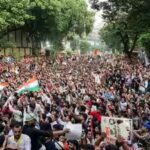
The demonstrations were organised by the Cockroach Janata Party (CJP), with protesters demanding the resignation of Chief Election Commissioner Gyanesh Kumar over alleged irregularities linked to the Special Intensive Revision (SIR) of electoral rolls.
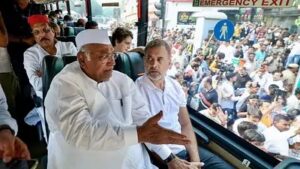
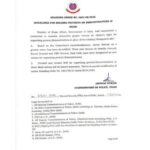
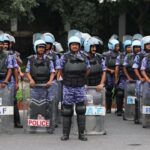
Delhi Police detained protesters and political leaders ahead of the proposed gathering at Jantar Mantar. The action also affected lawyers and journalists, prompting criticism from civil society members and legal representatives.
India’s response sets out the government’s position that the handling of protests falls within the country’s legal and constitutional framework, while the UN human rights office has called for scrutiny of the detentions and respect for the right to peaceful assembly.