



Supreme Court Orders Normal Metro Services in Delhi, Seeks Reply Over 45 Station Closures During CJP Protest
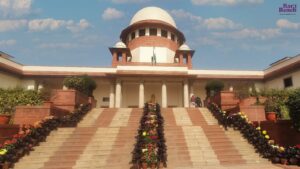
New Delhi, 11th October 2026: The Supreme Court on Sunday directed authorities to ensure the normal functioning of Delhi Metro and railway services, prevent disruption of internet connectivity and protect the freedom of movement of citizens amid protests organised by the Cockroach Janta Party (CJP) against Chief Election Commissioner Gyanesh Kumar and the Special Intensive Revision (SIR) of electoral rolls.
A special bench of Justices Joymalya Bagchi and V. Mohana heard two petitions challenging restrictions imposed in Delhi during the October 10 protest, including the closure of metro stations, alleged internet disruptions, restrictions on movement and the detention of protesters.
The court issued notice to the authorities over allegations that its October 9 order, which directed that public transport should not be completely shut down because of the planned protest, had been violated. The authorities have been asked to respond by Tuesday, when the matter is scheduled to be heard again.
The court also directed that peaceful, unarmed individuals should not be detained except in accordance with the procedure established by law. It ordered the removal of notices announcing prohibitory restrictions near the Supreme Court premises to ensure access to justice.
Supreme Court Hearing: Right to Protest Versus Public Order
During the hearing, senior advocate Kapil Sibal argued on behalf of the petitioners that Article 19(1)(a) of the Constitution guarantees freedom of speech and expression, including the right to protest peacefully. He contended that demonstrators had been prevented from reaching the designated protest venue.
Justice Bagchi observed that people have a right to protest, but the exercise of that right must remain within the framework of the law.
Senior advocate Shoeb Alam also submitted that the constitutional right to protest could not be effectively exercised if people were prevented from reaching the protest site. The bench observed that reasonable restrictions may be imposed to maintain public order, but such measures should not result in a blanket restriction on people’s movement.
Senior advocate Menaka Guruswamy argued that the petitions were not confined to the detention of political leaders or elected representatives. She said the matter also concerned the rights of thousands of people allegedly detained during the police action.
The petitioners’ lawyers alleged that people travelling to Delhi from other places had also been detained to prevent them from joining the demonstration. They further alleged that searches were conducted at some residences and that several people were released within 24 hours.
These claims formed part of the petitioners’ submissions and were not independent findings by the court.
Lawyers Raise Questions Over Police Action
The petitioners’ legal team alleged that some police personnel were not wearing name badges and that force had been used against demonstrators.
Justice Bagchi observed that allegations of violations of legal duties by officials and the use of force would need to be examined. The court emphasised that maintaining law and order did not place the police above the rights of citizens.
Solicitor General Tushar Mehta represented the Centre and Delhi Police during the hearing.
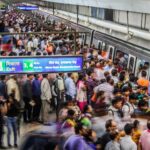
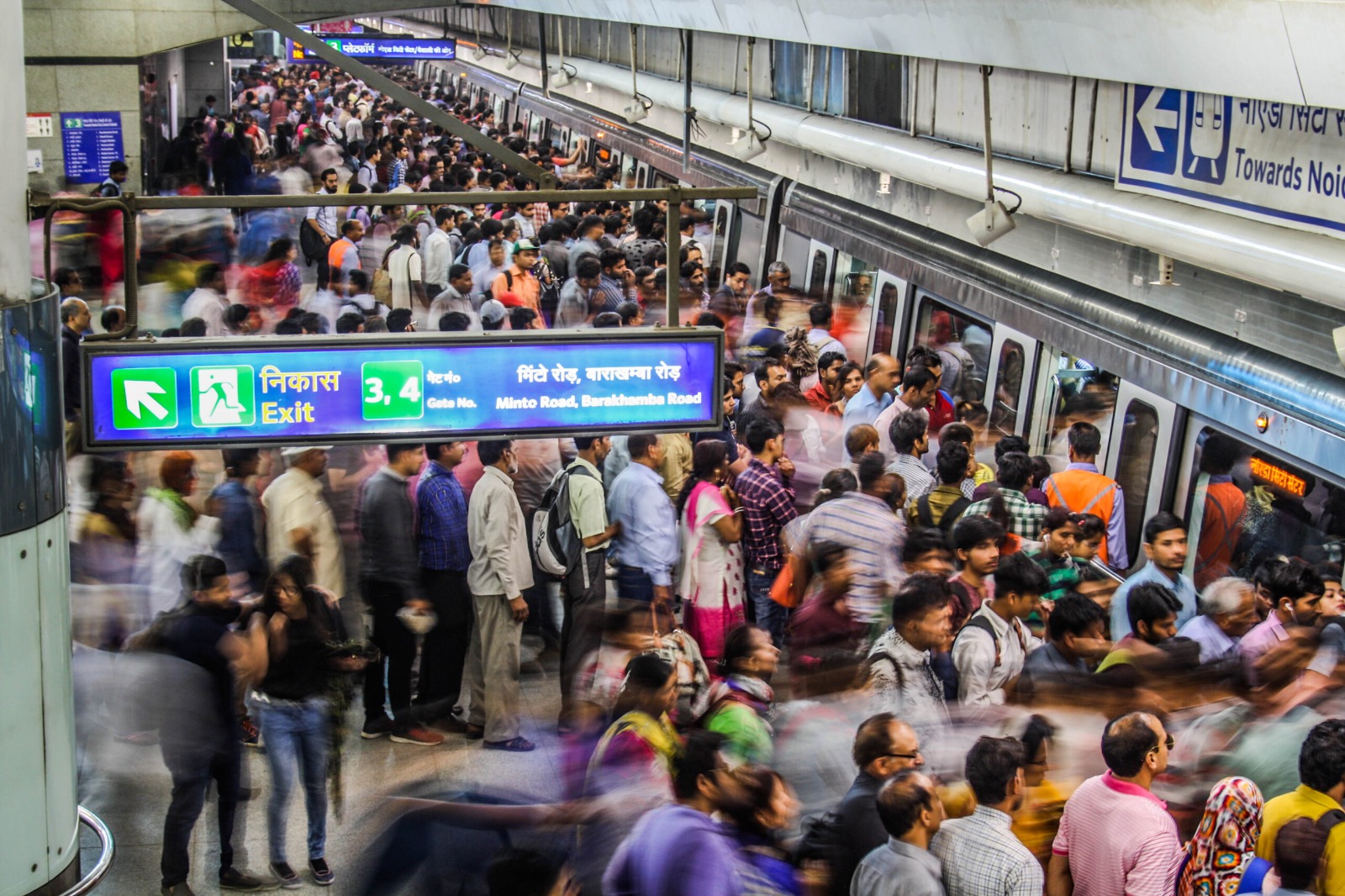
Mehta told the bench that metro services had returned to normal and internet connectivity had been restored. He said 45 of Delhi’s 303 metro stations had been closed during the protest but that all the stations had reopened by 10 pm on Saturday.
The closure of these stations had been challenged in the petitions on the grounds that it disrupted public transport and restricted access to the protest venue. The court sought an explanation from the authorities regarding compliance with its earlier directions.
Court Orders Removal of Restriction Notices Near Supreme Court
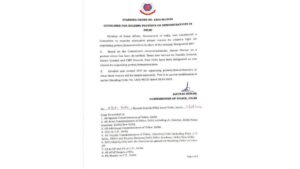
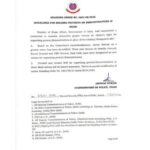
During the hearing, lawyers informed the bench that notices announcing restrictions under Section 163 of the Bharatiya Nagarik Suraksha Sanhita (BNSS) had been displayed near the Supreme Court and that barricades were making it difficult to reach the premises.
Mehta said he would obtain details regarding the restrictions.
Justice Bagchi observed that if lawyers had not been adequately informed about the restrictions, that could provide grounds to challenge the order. The bench directed that the notices be removed to facilitate access to the court.
The court also took up concerns over mobile phones allegedly seized from some protesters. A lawyer submitted that the devices could contain sensitive personal information and sought their return. The bench asked the petitioners to file an appropriate application for consideration of the issue.
Over 7,000 People Detained During October 10 Protest
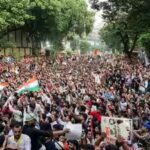
The hearing followed a major security operation in Delhi on Saturday, when the CJP and Left groups had called for a demonstration against Chief Election Commissioner Gyanesh Kumar and the SIR exercise.
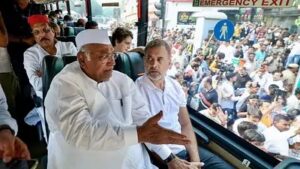
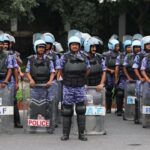
Delhi Police had denied permission for the protest. Security personnel subsequently erected barricades at several locations, while 45 metro stations were closed. Reports put the number of people detained during the operation at more than 7,000.
CJP founder Abhijeet Dipke, along with party members Saurav Das and Ashutosh Ranka, was detained on Saturday morning after arriving in Delhi by flight. A magistrate’s court subsequently ordered their release, and the three were freed at around 10 am on Sunday after spending nearly 23 hours in custody.
The detention of the party leaders and other demonstrators, along with restrictions on public transport and movement, prompted legal challenges before the Supreme Court.
Supreme Court Reiterates Its Constitutional Responsibility
Justice Bagchi observed that the Supreme Court has a responsibility under Article 32 of the Constitution to protect fundamental rights and address violations brought before it.
Justice V. Mohana urged protesters to remain peaceful and avoid provocation.
The bench directed the authorities to respond to the allegations concerning detentions and police action. The petitions, including the challenge to the alleged violation of the October 9 order, are scheduled to be taken up together on Tuesday.
What the Supreme Court Said on October 9
The latest hearing followed the court’s consideration of the matter on October 9, when it addressed concerns about the impact of protest-related restrictions on ordinary commuters.
The court emphasised that members of the public should not face unnecessary inconvenience and that citizens must retain access to railway stations, metro services and other public transport facilities.
It also noted that security arrangements, including CCTV surveillance, could be used to manage risks without imposing a complete shutdown of public transport.
The bench questioned whether an excessive response was justified to address the situation and observed that Jantar Mantar was a relatively small venue, suggesting that a larger location could be considered for demonstrations.
The proceedings on Sunday have brought the balance between the right to peaceful protest, public order and the uninterrupted functioning of essential public services into focus. The authorities’ responses to the court’s notices are expected to be considered at the next hearing on Tuesday.