









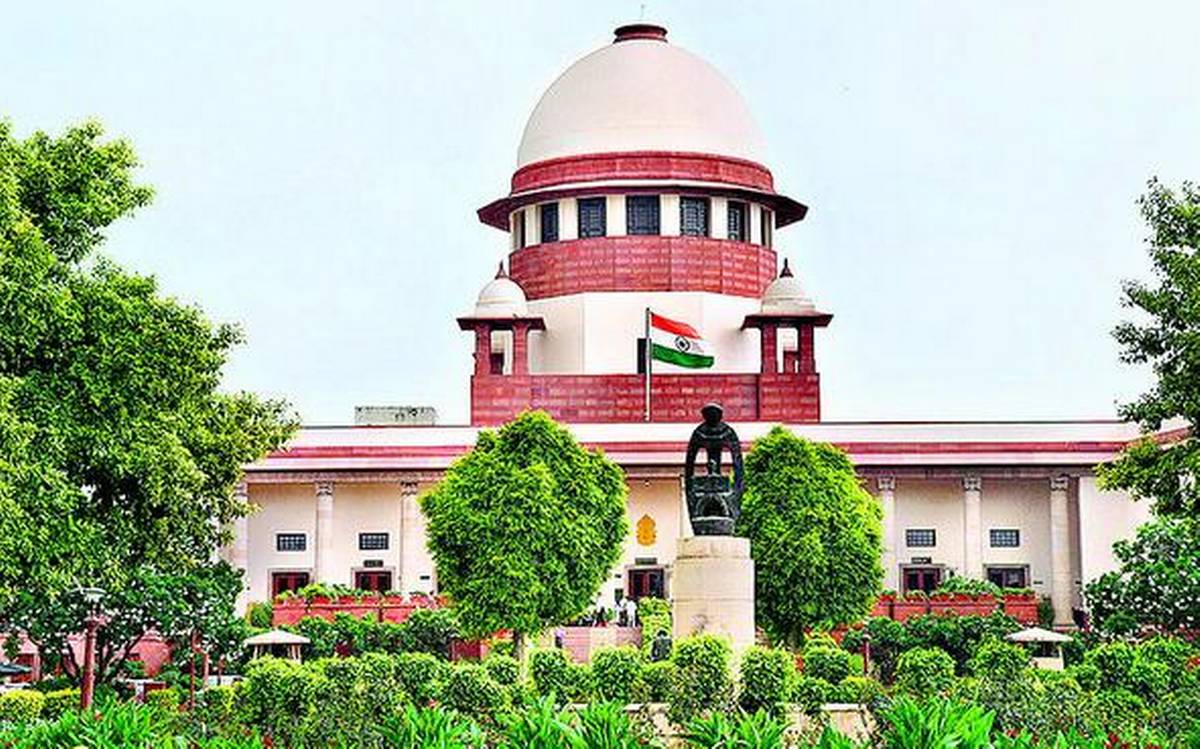
21 Publishers Move Supreme Court Against Data Protection Law, Flag Risks to Investigative Journalism
New Delhi, 26th October 2026: A group of 21 major news publishers has challenged provisions of the Digital Personal Data Protection (DPDP) Act, 2023, in the Supreme Court, arguing that the law could restrict investigative journalism, expose confidential sources and affect the publication of reports involving personal data.
The 698-page petition was filed on 6th October by the Digital News Publishers Association (DNPA) and other media groups. The publishers include Network18, associated with Mukesh Ambani, NDTV, owned by the Adani Group, The Indian Express and Times Internet, which is part of the Times Group. The challenge is among the most prominent legal challenges to the law so far. Reuters
A key concern raised in the petition is the requirement to provide notice and obtain consent when processing personal data. Publishers argue that applying these provisions to journalistic investigations could require reporters to alert individuals who are the subjects of their investigations, potentially allowing them to destroy evidence or intimidate witnesses.
The law also provides individuals with the right to request the correction or erasure of their personal data in specified circumstances. According to the petition, the absence of a clear public-interest safeguard could force news organisations to remove or redact published reports containing personal information, even when the information is relevant to an investigation.
Another concern relates to Section 36 of the Act, which empowers the Central Government to require data fiduciaries and intermediaries to furnish information. The publishers argue that this provision could expose confidential communications between journalists and their sources, discouraging whistleblowers from sharing information about corruption and corporate wrongdoing.
The contested provisions are scheduled to come into effect in May 2027 under the government’s phased implementation timeline. The publishers have sought explicit exemptions for journalistic activities, citing protections available in jurisdictions such as the European Union, Singapore and the United Kingdom.
The Editors Guild of India and other press bodies have also raised concerns over the legislation and sought legal clarity on how the framework applies to news gathering and reporting in the public interest. The government has maintained that the law aims to protect individuals’ digital personal data while providing a framework for its lawful processing.
The Supreme Court is expected to take up the publishers’ challenge on 27th October. The outcome could determine how the data protection framework applies to investigative reporting and how news organisations handle personal information.