


‘Anyone With A Mobile Can Be A Journalist’: SC Examines Media Protection During Delhi Protests
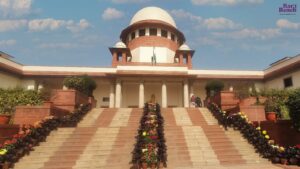
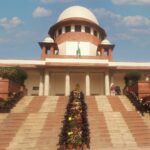
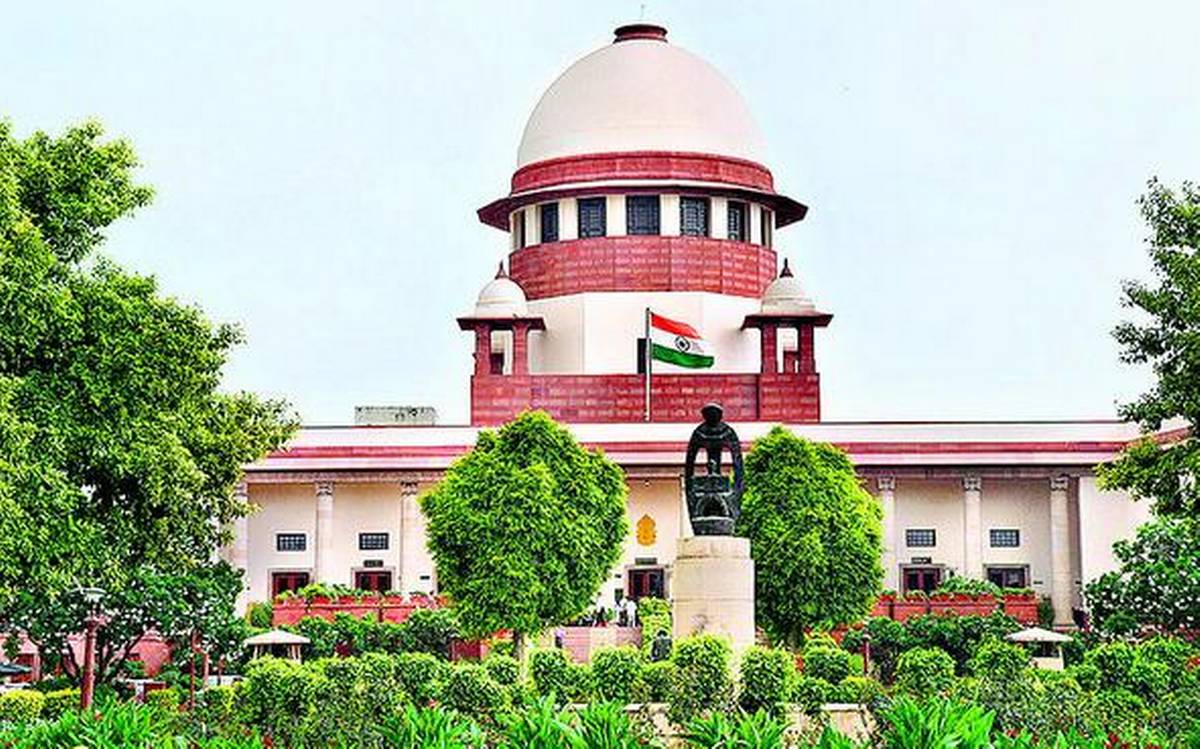
New Delhi, 16th October 2026: The Supreme Court has said that distinguishing journalists from other individuals recording events has become difficult in the digital age, while hearing petitions alleging that Delhi Police personnel harassed and assaulted journalists covering protests against Chief Election Commissioner Gyanesh Kumar.
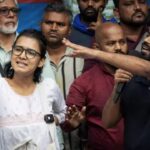
A bench comprising Chief Justice of India Surya Kant and Justice Joymalya Bagchi heard the pleas on Thursday, 15th October. The petitions raised allegations of physical assault, sexual harassment and detention of journalists, including women reporters, during protests against the revision of electoral rolls in Delhi.
During the hearing, Chief Justice Surya Kant observed that problems could arise if everyone claimed to be a journalist under the right to freedom of expression. Justice Bagchi said the court would need to examine different categories of media practitioners and consider whether different levels of protection were required.
The bench indicated that it could consider safeguards for accredited journalists, reporters employed by media organisations, independent and freelance journalists, and social media content creators. However, the court clarified that defining who qualifies as a journalist would require detailed examination.
Solicitor General Tushar Mehta, appearing for the Centre and Delhi Police, argued that identifying journalists had become challenging as people increasingly recorded and uploaded videos from protest sites. He said it was difficult to distinguish independent journalists from individuals making reels for social media, while stressing that no woman should be treated inappropriately by police personnel.
Senior advocate Indira Jaising, representing the petitioners, stressed that journalists had been pushed, assaulted and sexually harassed while performing their professional duties. She sought an independent investigation into the complaints and proposed a committee comprising retired women judges and former police officers.
The court termed the allegations serious and directed authorities to complete the inquiry expeditiously. It also ordered that no coercive action be taken against a woman journalist who faces a police case following the incident.
The hearing follows complaints by journalists and media organisations over police action during the 10th October protests. The matter has renewed concerns about the safety of reporters covering demonstrations and the need for safeguards that protect journalistic work without restricting freedom of expression.
The Supreme Court is also examining whether guidelines should be framed to regulate police interaction with journalists during protests and crowd-control operations.