







West Bengal TMC Infighting Escalates, Leadership Dispute May Reach Election Commission
Kolkata, 23rd June 2026: The crisis within the Trinamool Congress (TMC) appears to be entering a decisive phase, with an internal power struggle now threatening to spill into a full-fledged legal battle over the party’s leadership, identity and organisational control.
The latest flashpoint came after a rebel faction within the party announced the formation of a parallel national working committee and staked its claim to being the “real” Trinamool Congress. The move has been rejected by the official party leadership, which has termed the parallel structure illegal and unconstitutional.
What initially appeared to be a case of internal dissent has now evolved into a battle over the party’s future, with both factions expected to approach constitutional and legal forums, including the Election Commission of India, to establish their legitimacy. The dispute could eventually extend to questions surrounding the party’s name, symbol, assets and organisational control.
The rebellion comes at a particularly difficult time for the TMC, which has been grappling with political setbacks and an exodus of senior leaders and legislators in recent weeks. Reports suggest that the dissident camp has claimed the support of a significant number of MLAs and MPs, intensifying the leadership crisis within the party.
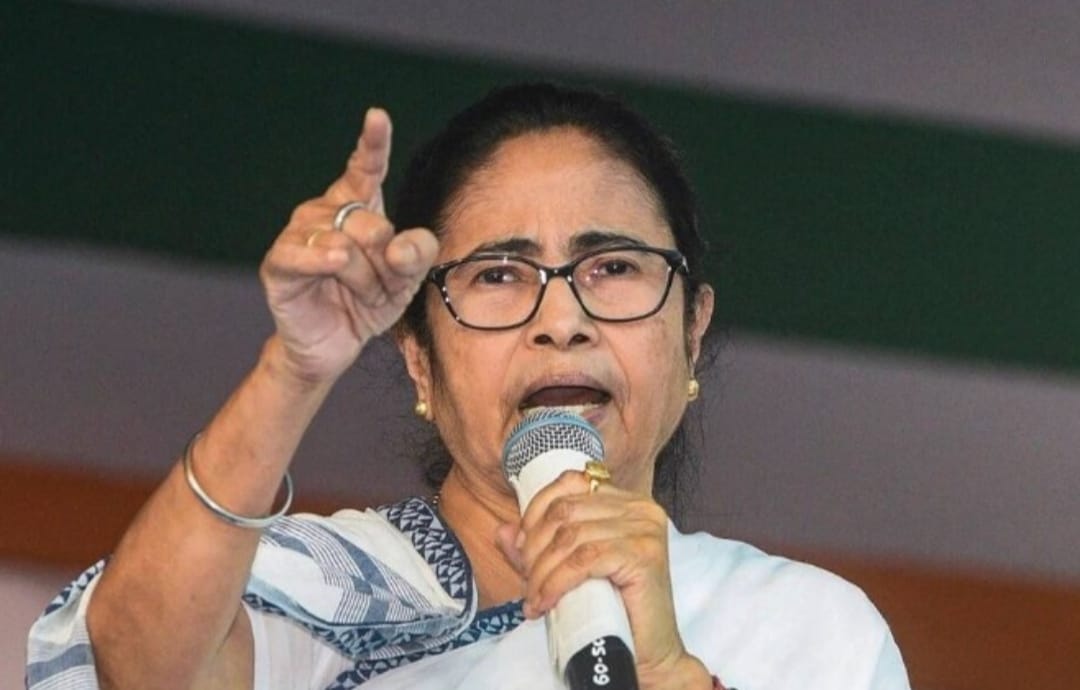
The official TMC leadership, led by Chief Minister and party supremo Mamata Banerjee, has dismissed the rebellion and moved to consolidate its position by filing a revised list of leaders with the Election Commission and reaffirming its organisational structure.
Political observers believe the battle is no longer merely organisational but legal. Under election laws, rival claims over party leadership can lead to disputes regarding ownership of the party’s election symbol and official recognition, particularly if competing factions claim majority support within the organisation.
The crisis has also fuelled speculation about a political realignment, including talk of mergers and alliances, though neither camp has announced any formal decision. At the same time, anti-defection provisions and the arithmetic of legislative support are expected to play a crucial role in determining the next course of action.
For a party that has dominated West Bengal politics for over a decade, the present turmoil marks one of its most serious internal challenges. Whether the dispute is resolved politically or through legal intervention, the battle for control of the Trinamool Congress is likely to shape Bengal’s political landscape in the months ahead.