





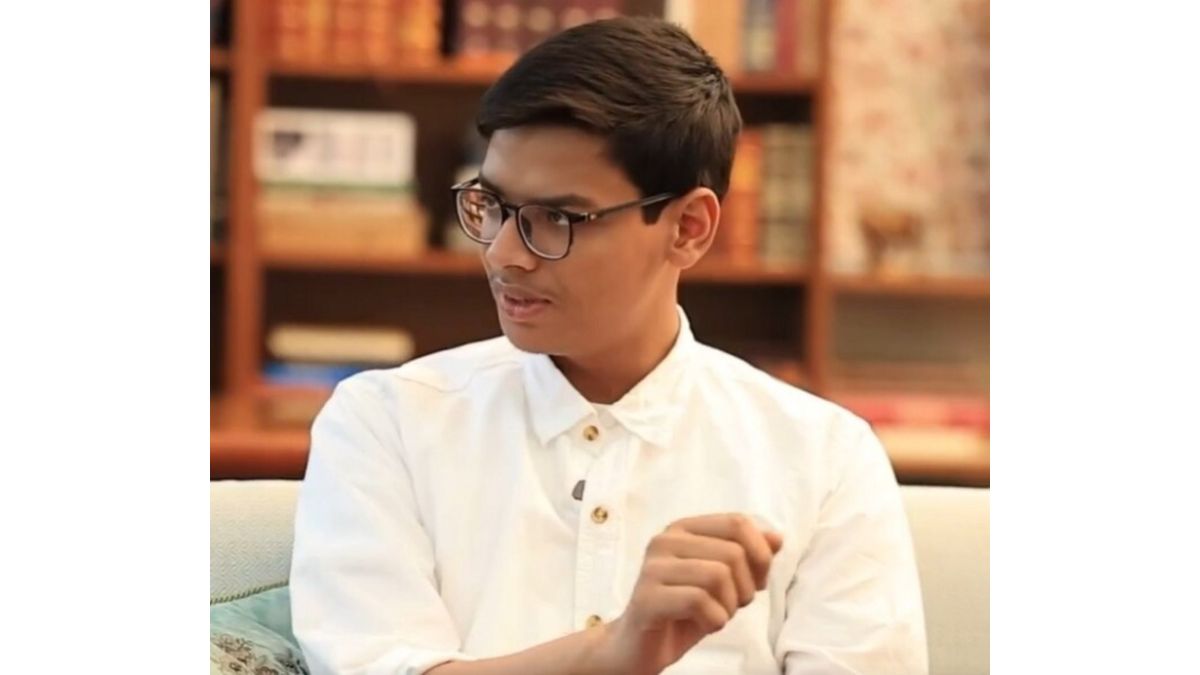
18 Year-Old Ethical Hacker Sarthak Sidhant Converts 6.8 Lakh UP Voter Roll PDFs Into Searchable Database
Ranchi, Jharkhand, 25th November 2026: An 18-year-old student, Sarthak Sidhant, and his team have converted 6.8 lakh electoral roll PDFs published by the Election Commission of India (ECI) for Uttar Pradesh into a searchable database, allowing people to access and check voter records across 403 Assembly constituencies.
Announcing the initiative on November 24, Sidhant said the team used Optical Character Recognition (OCR) to process largely scanned documents, converting them into 54.8 crore data entries. The database covers the 2024 Lok Sabha electoral roll, the draft and final rolls prepared during the Special Intensive Revision (SIR), and the 2027 draft electoral roll.
While the electoral rolls were already available online through the ECI, much of the material was in scanned PDFs, making it difficult for people to search for individual names or compare entries across different revisions. The initiative aims to make the information easier to access and examine without manually going through hundreds of files.
The publicly downloadable dataset also reportedly uses coded identifiers in place of sensitive personal information, including names, EPIC numbers and house numbers, while allowing entries to be cross-checked against the original electoral roll documents.
The project has drawn reactions on social media, with cartoonist Satish Acharya reportedly criticising the situation, questioning why the work of making public electoral data accessible had to be undertaken by a young student rather than the institution responsible for it.
The initiative comes amid wider concerns surrounding the SIR process and the consequences of voter list deletions for individuals and families. In West Bengal’s Cooch Behar district, a two-and-a-half-month-old infant was reportedly denied a birth certificate after her father’s name was deleted from the electoral rolls during the revision.
The child’s father, Abdul Habib, said he had been asked to provide residential verification but was refused assistance by the local MLA’s office and the Block Development Officer, with officials reportedly questioning his citizenship. Habib maintained that he had lived in India all his life and had submitted documents to establish his residency. His appeal against the deletion of his name from the voter list remains pending.
As the SIR process continues, cases such as these have raised questions about the impact of electoral roll revisions on citizens, particularly when deletions are disputed and appeals remain unresolved.