






Delimitation Row: CPP Chairperson Sonia Gandhi Calls Centre’s Move ‘Assault on Constitution’
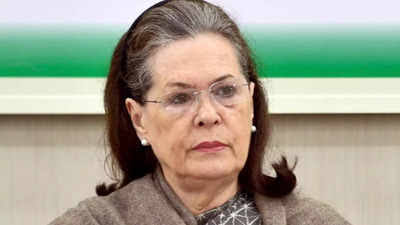
New Delhi, 13 April 2026: A fresh political flashpoint is building around delimitation, with Sonia Gandhi stepping in to frame the debate well beyond women’s reservation.
In a sharply worded intervention, the Congress leader argued that delimitation, not the women’s quota, is the real issue behind the Centre’s push for a special Parliament session. Calling the reported move “extremely dangerous” and an “assault on the Constitution,” she warned that the exercise could have far-reaching implications for political representation in the country.
The timing, she suggested, is not incidental.
According to Gandhi, the government’s urgency in convening a special session points to a larger political calculation, one that risks bypassing wider consultation on a structural change that could reshape electoral representation for decades. She also flagged the lack of clarity around the process, particularly in the absence of updated census data and a caste-based enumeration.
At the centre of her argument is a broader concern: that delimitation, if carried out without what she calls “political equity,” could disproportionately alter the balance of power between states. In simple terms, this isn’t just about redrawing boundaries; it’s about who gets how much representation in Parliament, and on what basis.
The comments come even as the government continues to push forward on legislative priorities linked to the women’s reservation framework. The law itself, passed earlier, ties its implementation to a future census and subsequent delimitation exercise, effectively linking the two processes.
That linkage is exactly what the Opposition is now questioning.
Gandhi has argued that the current approach risks conflating two distinct issues, women’s representation and constituency restructuring, while also alleging that the pace of decision-making leaves little room for meaningful political consensus.
The Centre, on its part, has maintained that the steps being taken are part of a broader democratic reform process, with delimitation being a constitutionally mandated exercise tied to population changes and representation.
For now, the debate remains exactly where it usually does in cases like this, split between intent and impact. One side sees a necessary structural update, the other sees a rushed move with long-term consequences. What happens next will depend less on the rhetoric and more on how the process itself unfolds.