







AAP Removes Raghav Chadha as Rajya Sabha Deputy Leader, MP Defends Record
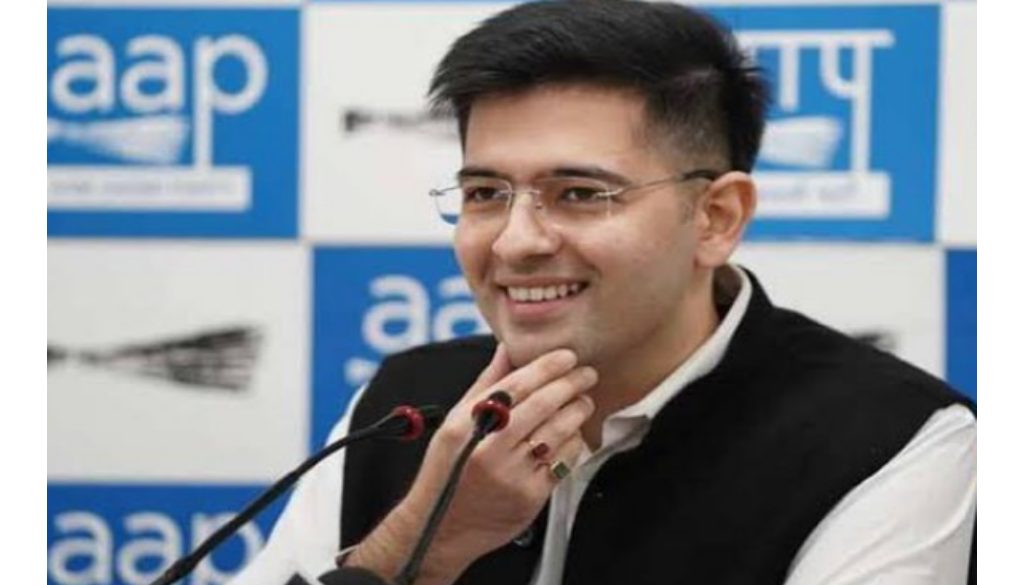
New Delhi, 6th April 2026: Days after the Aam Aadmi Party (AAP) removed Raghav Chadha as its Deputy Leader in the Rajya Sabha and replaced him with Ashok Mittal, the Rajya Sabha MP has publicly defended his record, dismissing allegations of disengagement and internal discord.
The leadership reshuffle, communicated to the Rajya Sabha Secretariat earlier this month, has sparked speculation about shifting equations within the party. While the AAP has not provided a detailed explanation for the move, it has triggered widespread discussion in political circles, particularly given Chadha’s prominence as one of the party’s younger national faces.
In a series of videos and public statements following his removal, Chadha rejected claims that he had skipped key opposition walkouts, refused to sign an impeachment motion, or failed to engage with critical issues. He argued instead that his parliamentary approach prioritised “impact over ruckus,” suggesting that meaningful debate and policy intervention should take precedence over disruption.
Chadha highlighted his work on public health, unemployment, and inflation, alongside Punjab-specific concerns such as farmers’ minimum support price (MSP) demands and groundwater depletion. Emphasising his connection to the state he represents in Parliament, he pushed back against accusations of political detachment, calling them misleading and unfounded.
The current friction is widely believed to have roots in earlier tensions within the party. In 2024, Chadha faced criticism for his extended stay in London during the arrest of AAP chief Arvind Kejriwal, a period when his relative silence drew scrutiny from both within and outside the party.
Further speculation emerged after he deleted past social media posts critical of the Bharatiya Janata Party (BJP), fuelling questions about his long-term political positioning, though no formal shift has been indicated.
Chadha has also responded sharply to allegations of “betrayal,” describing them as part of a coordinated misinformation campaign and reiterating his commitment to Punjab’s interests. Even as his organisational role has been curtailed, he has continued to raise issues in Parliament and on public platforms, positioning himself as a policy-focused lawmaker.
The appointment of Mittal, a first-term Rajya Sabha MP and educationist, is being viewed as part of a broader recalibration within the AAP, particularly as the party prepares for upcoming political challenges in Punjab. The move suggests an attempt to streamline parliamentary leadership while managing internal dynamics and external pressures.
The development has also drawn reactions from political opponents, with critics pointing to the decision as a sign of deeper fissures within the party. At the same time, Chadha continues to enjoy support among sections of observers and party followers who praise his articulate and issue-driven style of politics.
As Punjab’s political landscape begins to heat up ahead of future electoral contests, Chadha’s removal and subsequent response underline the challenges facing the AAP in balancing internal cohesion with its broader electoral ambitions.