





Delhi Protest: Metro Cancellations Challenged in Supreme Court Ahead of 10th October CJP Protest
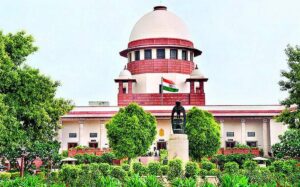
New Delhi, 9th October 2026: The Supreme Court has taken up a challenge to the restrictions imposed in Delhi ahead of the CJP’s planned October 10 protest, after 57 metro stations were shut and several trains bound for the capital were cancelled. The court said authorities must maintain a balance between maintaining order and allowing citizens to exercise their right to protest.
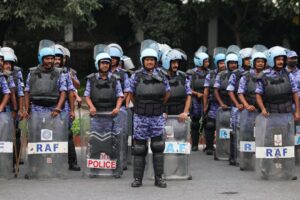
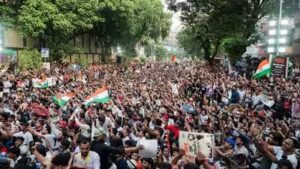
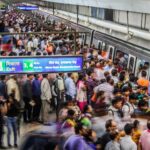
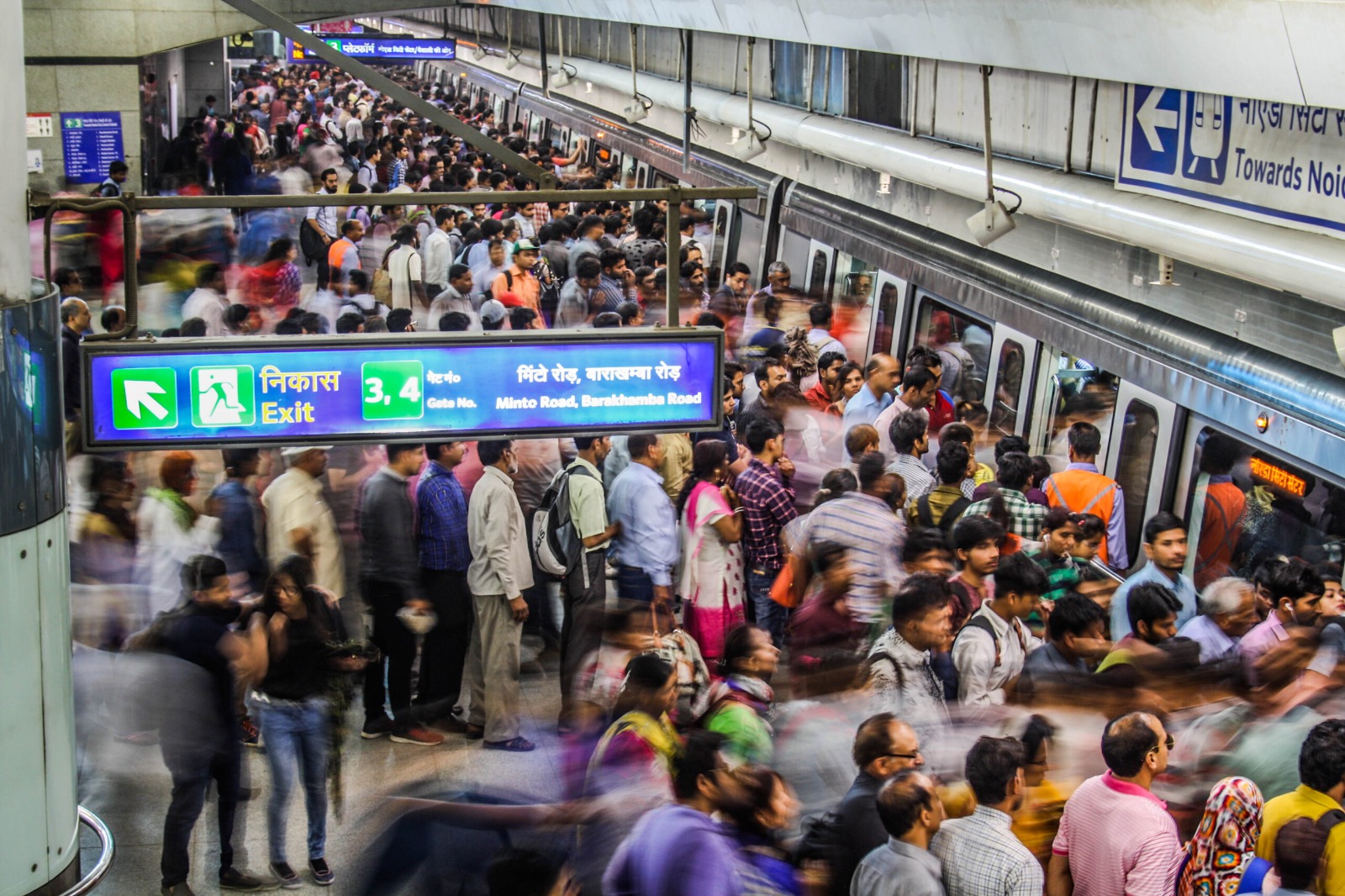
The CJP had decided to hold a demonstration in Delhi on 10th October. Ahead of it, several restrictions were put in place across the capital, including the closure of 57 metro stations and the cancellation of trains headed to Delhi.
The matter reached the Supreme Court after a plea sought judicial intervention against the restrictions. Senior advocate Kapil Sibal raised the issue before a bench led by Chief Justice of India Surya Kant, saying that metro stations had been closed and trains cancelled.
Sibal questioned the scale of the action, asking what kind of situation had been created when trains were cancelled and stations shut. He argued that the protest was peaceful and questioned whether such sweeping restrictions were justified.
Senior advocate Gopal Shankar Narayan also objected to the restrictions, asking why the entire city should be brought to a standstill when authorities were unable to handle the situation.
Solicitor General Tushar Mehta defended the measures, saying they had been imposed in accordance with the law. He told the court that the protest needed to be viewed from its actual context and that any gathering should take place within legal limits.
The court observed that a balance was necessary. It said that if a protest was permitted, it had legal validity, but authorities could not be expected to allow unrestricted gatherings that could disrupt the city.
The judges also questioned whether shutting 57 metro stations was proportionate, pointing out that the impact on ordinary commuters had to be considered along with security concerns. The court noted that if such restrictions were imposed, it needed to assess whether they were appropriate.