



Supreme Court Concluded to Reconsider Delhi Metro Restrictions Ahead of Protest
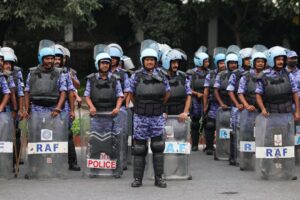
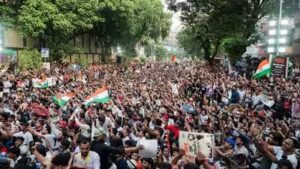
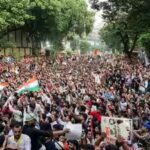
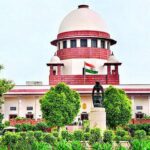
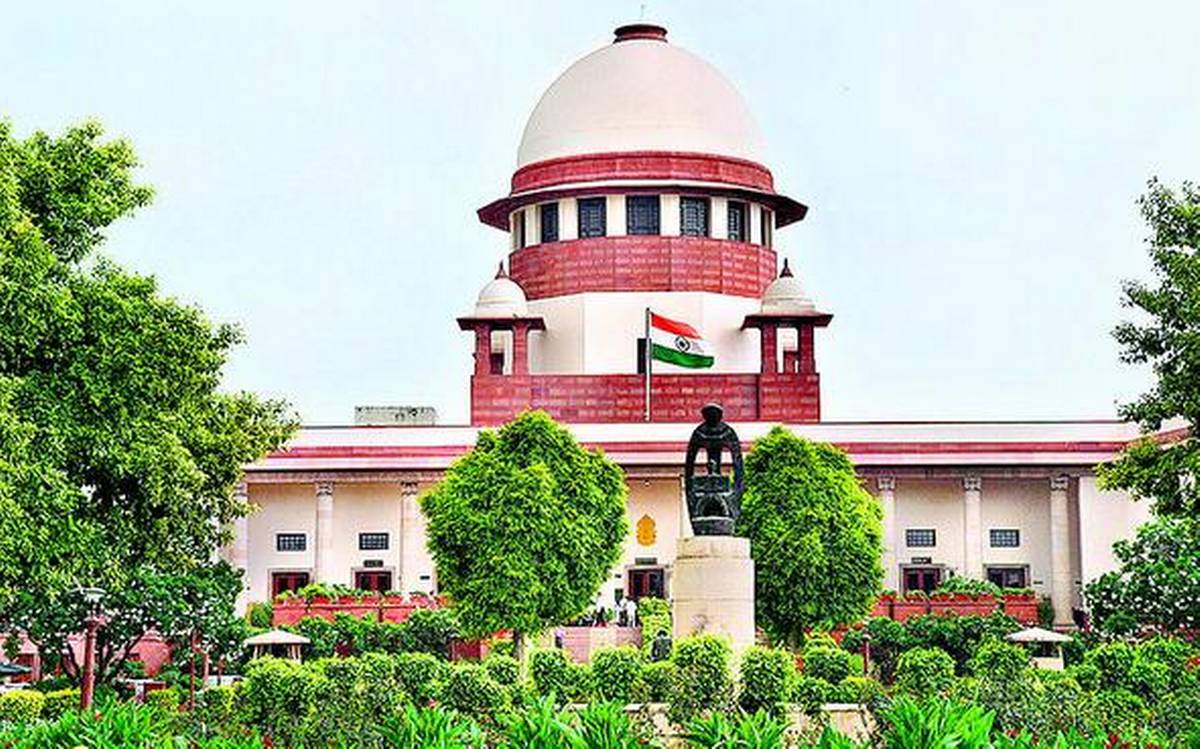
New Delhi, 9th October 2026: The Supreme Court on Friday, 9th October, questioned the extensive restrictions imposed on Metro services and road movement in Delhi ahead of a protest scheduled for 10th October, stating that security measures should not bring public transport to a standstill.
The court observed that authorities should not use a “hammer to kill a fly” while imposing restrictions, emphasising the need to balance security arrangements with the public’s right to access essential transport services.
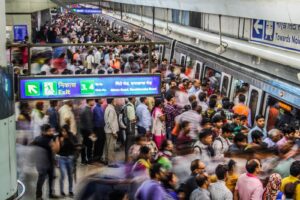
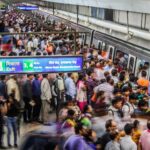
A bench headed by Chief Justice of India Surya Kant raised concerns over the closure of 57 Metro stations and the cancellation of several trains ahead of the proposed demonstration at Jantar Mantar against Chief Election Commissioner Gyanesh Kumar.
The court asked the Centre to reconsider the restrictions and reduce the number of Metro stations being closed. It also said that road closures should be reviewed and restrictions limited to areas where they were necessary.
During the hearing, the bench noted that students, senior citizens and daily commuters rely on public transport to travel across Delhi and the National Capital Region. It said authorities could regulate movement to maintain law and order but should not completely halt essential services.
Senior advocate and MP Kapil Sibal raised the issue before the bench while appearing for CPI(M) general secretary M A Baby, who challenged the restrictions. Sibal argued that the closures and cancellations were causing widespread inconvenience to commuters.
Solicitor General Tushar Mehta told the court that he would consult the government and assured it that proportionate measures would be considered.
The restrictions were imposed following a request from Delhi Police ahead of the proposed protest, citing concerns over crowd movement towards sensitive locations. The court reiterated that while authorities could take preventive measures, these should not unnecessarily disrupt public life.